
Pregnancy Care: Your Complete Guide to a Healthy Pregnancy | Dr. Aditi Singhi, Aayush Clinic
Understanding Pregnancy
Pregnancy is a remarkable journey that brings significant physical, emotional, and hormonal changes. From conception to childbirth, every stage of pregnancy requires proper medical care, nutrition, and monitoring to ensure the health of both mother and baby.
Regular antenatal care helps identify potential concerns early, supports healthy fetal development, and prepares expectant mothers for labor, delivery, and postpartum recovery.
At Aayush Clinic, Dr. Aditi Singhi provides personalized pregnancy care, routine antenatal checkups, high-risk pregnancy management, delivery planning, and postpartum support for women throughout their pregnancy journey.
Early Signs and Symptoms of Pregnancy
The symptoms of pregnancy vary from woman to woman. Some women notice changes soon after conception, while others may not experience symptoms until several weeks later.
Common Early Pregnancy Symptoms
- Missed menstrual period
- Nausea and morning sickness
- Breast tenderness
- Fatigue and increased sleepiness
- Frequent urination
- Food cravings or aversions
- Mood changes
- Mild abdominal bloating
- Heightened sense of smell
- Light implantation spotting
If you suspect pregnancy, a home pregnancy test followed by consultation with a gynecologist is recommended.
How is Pregnancy Confirmed?
Pregnancy can be confirmed through:
Home Pregnancy Test
Urine pregnancy tests detect the hormone hCG and are highly accurate when performed after a missed period.
Blood Test
A beta-hCG blood test confirms pregnancy and helps assess early pregnancy progression.
Ultrasound Scan
An early ultrasound scan helps:
- Confirm pregnancy location
- Determine gestational age
- Confirm fetal heartbeat
- Identify multiple pregnancies
- Estimate the due date
The Three Trimesters of Pregnancy
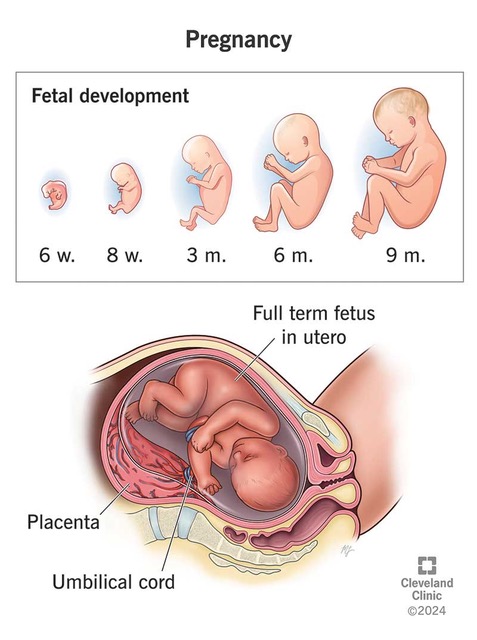
Pregnancy is divided into three trimesters, each involving different stages of fetal development and maternal changes.
First Trimester (Weeks 1–13)
During the first trimester:
- Pregnancy is confirmed
- Organ development begins
- Morning sickness is common
- Fatigue increases
- Prenatal vitamins are started
This is an important period for fetal growth and development.
Second Trimester (Weeks 14–27)
Often called the most comfortable stage of pregnancy.
Common experiences include:
- Reduced nausea
- Increased energy
- Visible baby bump
- Feeling fetal movements
- Routine anomaly scan
Third Trimester (Weeks 28–40)
The baby continues to grow and prepare for birth.
Common symptoms include:
- Back pain
- Heartburn
- Pelvic pressure
- Swelling of feet
- Sleep disturbances
- Braxton Hicks contractions
Regular monitoring becomes increasingly important during this stage.
Importance of Antenatal Care
Antenatal care involves scheduled pregnancy checkups to monitor maternal and fetal health.
Benefits of Regular Antenatal Visits
- Monitor baby's growth and development
- Detect pregnancy complications early
- Monitor maternal health
- Manage existing medical conditions
- Plan for safe delivery
- Provide nutritional guidance
- Support emotional wellbeing
Consistent prenatal care contributes significantly to positive pregnancy outcomes.
Recommended Antenatal Checkups During Pregnancy
Your obstetrician may recommend:
First Trimester
- Blood group and Rh typing
- Complete blood count (CBC)
- Thyroid profile
- Blood sugar screening
- Urine examination
- Dating scan
- First trimester screening
Second Trimester
- Anomaly scan (TIFFA scan)
- Growth monitoring
- Maternal blood pressure assessment
- Screening tests when indicated
Third Trimester
- Growth scans
- Fetal wellbeing assessment
- Doppler studies when required
- Delivery planning
- Monitoring for labor readiness
The exact schedule may vary based on individual pregnancy needs.
Nutrition During Pregnancy
Proper nutrition plays a vital role in supporting fetal growth and maternal health.
Essential Nutrients During Pregnancy
Folic Acid
Helps prevent neural tube defects and is especially important during early pregnancy.
Iron
Supports healthy red blood cell production and helps prevent anemia.
Calcium
Essential for baby's bone and teeth development.
Protein
Supports fetal growth and maternal tissue development.
Vitamin D
Important for bone health and immune function.
Healthy Pregnancy Diet
Include:
- Fresh fruits and vegetables
- Whole grains
- Pulses and legumes
- Milk and dairy products
- Eggs and lean proteins
- Nuts and seeds
Adequate hydration is also important throughout pregnancy.
Foods to Avoid During Pregnancy
To reduce the risk of infections and complications, avoid:
- Raw or undercooked meat
- Raw seafood
- Unpasteurized dairy products
- Excess caffeine
- Alcohol
- Smoking and tobacco products
- Unapproved herbal supplements
Always consult your doctor before taking any medication during pregnancy.
Exercise and Lifestyle During Pregnancy
For most women, moderate exercise is safe and beneficial.
Recommended Activities
- Walking
- Prenatal yoga
- Swimming
- Stretching exercises
- Pelvic floor exercises
Benefits of Exercise
- Improved circulation
- Reduced back pain
- Better weight management
- Lower risk of gestational diabetes
- Improved mental wellbeing
Always discuss exercise plans with your obstetrician, especially in high-risk pregnancies.
Common Pregnancy Complications
Although many pregnancies progress normally, some women may develop complications requiring closer monitoring.
Gestational Diabetes
A form of diabetes that develops during pregnancy and requires careful blood sugar management.
Pregnancy-Induced Hypertension
High blood pressure during pregnancy that may increase the risk of complications.
Anemia
A common condition caused by low hemoglobin levels.
Placenta Previa
Occurs when the placenta lies low in the uterus and may cause bleeding.
Preterm Labor
Labor that begins before 37 weeks of pregnancy.
Miscarriage
Pregnancy loss occurring before 20 weeks of gestation.
Early detection and appropriate management improve outcomes for both mother and baby.
What is a High-Risk Pregnancy?
A pregnancy may be considered high-risk if there is an increased chance of complications affecting the mother, baby, or both.
Common High-Risk Pregnancy Factors
- Maternal age above 35 years
- Diabetes
- High blood pressure
- Thyroid disorders
- Twin or multiple pregnancy
- Previous pregnancy complications
- Recurrent miscarriages
- Obesity
- Autoimmune disorders
High-risk pregnancies require specialized monitoring and individualized care.
Warning Signs During Pregnancy
Seek immediate medical attention if you experience:
- Heavy vaginal bleeding
- Severe abdominal pain
- Persistent severe headache
- Blurred vision
- Sudden swelling of face or hands
- High fever
- Leakage of fluid from the vagina
- Reduced fetal movements
- Difficulty breathing
- Chest pain
Prompt evaluation can prevent serious complications.
Preparing for Labor and Delivery
As delivery approaches, your doctor will discuss:
- Signs of labor
- Delivery options
- Pain management methods
- Hospital admission planning
- Cesarean section indications when necessary
- Newborn care preparation
A well-planned birth experience helps reduce anxiety and improves confidence.
Postpartum Care and Recovery
The postpartum period is an important phase of recovery after childbirth.
Postpartum Care Includes:
- Physical recovery monitoring
- Breastfeeding support
- Mental health assessment
- Family planning counseling
- Nutritional guidance
- Management of postpartum complications
Regular postnatal follow-up supports long-term maternal health and wellbeing.
When Should You Consult a Gynecologist?
Schedule a consultation if you:
- Suspect pregnancy
- Have irregular periods and difficulty conceiving
- Experience pregnancy complications
- Have a high-risk pregnancy
- Need antenatal care
- Have concerns about fetal growth or development
- Need delivery planning guidance
Early and regular pregnancy care helps ensure the best possible outcomes.
Expert Pregnancy Care at Aayush Clinic
At Aayush Clinic, Dr. Aditi Singhi provides comprehensive pregnancy care including antenatal checkups, ultrasound guidance, high-risk pregnancy management, normal delivery planning, cesarean delivery care, and postpartum support.
Every pregnancy is unique, and treatment plans are tailored to the mother's health, pregnancy progress, and individual needs.
With compassionate care and evidence-based obstetric management, Dr. Aditi Singhi supports women through every stage of pregnancy—from conception to childbirth and beyond.
Frequently Asked Questions (FAQs)
When should I schedule my first pregnancy visit?
Ideally, as soon as your pregnancy test is positive or within the first few weeks after a missed period.
How often are antenatal checkups required?
The frequency depends on gestational age and pregnancy risk factors, but regular visits are essential throughout pregnancy.
Can I exercise during pregnancy?
Yes. Most women benefit from moderate exercise, although recommendations vary based on individual health conditions.
What foods should I avoid during pregnancy?
Avoid raw meat, raw seafood, unpasteurized dairy products, alcohol, smoking, and excessive caffeine.
What is considered a high-risk pregnancy?
Pregnancies complicated by conditions such as diabetes, hypertension, thyroid disorders, twin pregnancy, or previous pregnancy complications may be considered high-risk.
When should I go to the hospital during pregnancy?
Seek immediate medical care if you experience bleeding, severe pain, reduced fetal movements, leakage of fluid, severe headache, or difficulty breathing.
If you are planning a pregnancy, recently conceived, or looking for expert antenatal care, schedule a consultation with Dr. Aditi Singhi at Aayush Clinic for personalized pregnancy care and comprehensive maternal health support.