
Understanding Ovarian Cysts: Symptoms, Diagnosis & Treatment | Dr. Aditi Singhi, Aayush Clinic
What are Ovarian Cysts?
The ovaries are part of the female reproductive system and are responsible for producing eggs and hormones such as estrogen and progesterone.
An ovarian cyst is a fluid-filled sac that develops within or on the surface of an ovary. Ovarian cysts are very common in women during their reproductive years and are often harmless. Many cysts disappear naturally without treatment.
However, some ovarian cysts can become large, cause pain, affect fertility, or require surgical treatment.
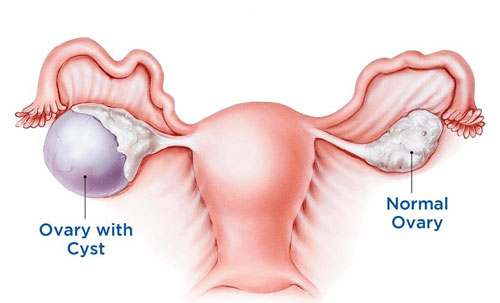
Types of Ovarian Cysts
Several types of ovarian cysts can occur.
Functional Cysts
These are the most common ovarian cysts and develop during the normal menstrual cycle.
- Follicular cyst
- Corpus luteum cyst
Most functional cysts resolve on their own within a few months.
Endometriotic Cysts (Chocolate Cysts)
These cysts occur in women with endometriosis and contain old blood that appears chocolate-colored.
Dermoid Cysts
Dermoid cysts may contain tissues such as:
- Hair
- Fat
- Skin
- Teeth
Cystadenomas
These fluid-filled cysts arise from the ovarian surface and may continue growing over time.
Polycystic Ovaries (PCOS)
Women with PCOS may have multiple small ovarian follicles associated with hormonal imbalance and irregular ovulation.
Symptoms of Ovarian Cysts
Many ovarian cysts cause no symptoms and are discovered during routine ultrasound scans.
When symptoms occur, they may include:
- Lower abdominal or pelvic pain
- Bloating or abdominal fullness
- Painful periods
- Irregular menstrual cycles
- Pain during sexual intercourse
- Frequent urination
- Pelvic pressure
- Difficulty conceiving in some cases
Symptoms often depend on the size and type of cyst.
When is an Ovarian Cyst an Emergency?
Although most ovarian cysts are harmless, certain complications require urgent medical attention.
Contact your doctor immediately if you experience:
- Sudden severe abdominal pain
- Vomiting
- Dizziness or fainting
- Fever
- Severe abdominal swelling
These symptoms may indicate:
Ovarian Torsion
Twisting of the ovary that can cut off blood supply and requires emergency treatment.
Ruptured Ovarian Cyst
A cyst may burst and cause severe pain or internal bleeding.
Internal Bleeding
Large or ruptured cysts can occasionally cause bleeding inside the abdomen.
What Causes Ovarian Cysts?
The causes of ovarian cysts vary depending on the type of cyst.
Common factors include:
- Normal ovulation
- Hormonal imbalances
- Endometriosis
- Pregnancy
- Polycystic Ovary Syndrome (PCOS)
- Previous ovarian cysts
Most ovarian cysts are not cancerous.
How are Ovarian Cysts Diagnosed?
Diagnosis usually begins with a medical history and pelvic examination.
Your gynecologist may recommend:
Ultrasound Scan
Ultrasound is the most important test for diagnosing ovarian cysts.
It helps determine:
- Size of the cyst
- Type of cyst
- Internal appearance
- Blood flow
- Complexity of the cyst
Both transabdominal and transvaginal ultrasound may be used.
Additional Tests
Depending on the findings, additional investigations may include:
- Blood tests including hemoglobin and hormonal profile
- Tumor markers such as CA-125 in selected cases
- MRI or CT scan for complex ovarian cysts
Treatment Options for Ovarian Cysts
Treatment depends on:
- Age
- Symptoms
- Size of the cyst
- Ultrasound findings
- Pregnancy status
- Fertility goals
Many small, simple ovarian cysts can be managed conservatively with regular monitoring.
Non-Surgical Treatment for Ovarian Cysts
Many ovarian cysts resolve naturally without surgery.
Your doctor may recommend:
- Observation and follow-up ultrasound scans
- Pain-relieving medications
- Hormonal treatment in selected cases
Regular follow-up is important to ensure the cyst is shrinking or resolving.
Laparoscopic Surgery for Ovarian Cysts
Surgery may be recommended if:
- The cyst is large
- Symptoms are severe
- The cyst persists or increases in size
- Ultrasound findings are suspicious
- Ovarian torsion occurs
- The cyst ruptures
- Fertility is affected
Most ovarian cysts can be removed using minimally invasive laparoscopic surgery.
Benefits of Laparoscopic Surgery
- Smaller incisions
- Less pain
- Faster recovery
- Shorter hospital stay
- Better cosmetic results
In some situations, open surgery may be necessary for very large or complex ovarian cysts.
Can Ovarian Cysts Affect Fertility?
Yes. Certain ovarian cysts may affect fertility, particularly:
- Endometriotic cysts (chocolate cysts)
- Severe PCOS
- Large cysts affecting ovarian function
Early diagnosis and treatment can help improve reproductive outcomes.
Many women with ovarian cysts successfully conceive naturally or after appropriate treatment.
Lifestyle Advice and Prevention
Although ovarian cysts cannot always be prevented, maintaining good reproductive health is important.
Helpful measures include:
- Regular gynecological check-ups
- Maintaining a healthy weight
- Regular exercise
- Treatment of hormonal imbalances
- Monitoring menstrual irregularities
- Seeking medical advice for persistent pelvic pain
Most ovarian cysts are benign and highly treatable when diagnosed early.
Frequently Asked Questions (FAQs)
Are ovarian cysts cancerous?
Most ovarian cysts are benign and non-cancerous. Only a small percentage require evaluation for possible malignancy.
Can ovarian cysts disappear on their own?
Yes. Many functional ovarian cysts resolve naturally within a few menstrual cycles.
Do all ovarian cysts require surgery?
No. Many ovarian cysts can be safely monitored with regular follow-up scans.
Can ovarian cysts cause infertility?
Some ovarian cysts, especially endometriotic cysts and severe PCOS, may affect fertility.
What is the best treatment for ovarian cysts?
Treatment depends on the type, size, symptoms, and fertility plans of the patient.
If you are experiencing pelvic pain, abdominal bloating, irregular periods, or have been diagnosed with an ovarian cyst, schedule a consultation with Dr. Aditi Singhi at Aayush Clinic for expert diagnosis and personalized treatment.