
Hysteroscopy: Diagnosis & Treatment of Uterine Conditions | Dr. Aditi Singhi, Aayush Clinic
What is Hysteroscopy?
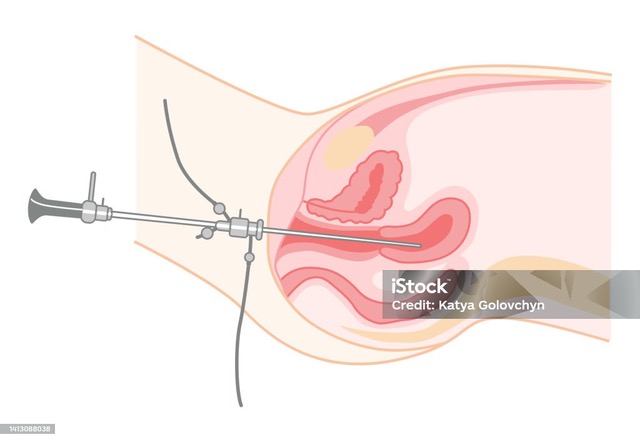
Hysteroscopy is a minimally invasive gynecological procedure that allows a gynecologist to directly examine the inside of the uterus (womb) using a thin telescope-like instrument called a hysteroscope.
The hysteroscope is gently passed through the vagina and cervix into the uterine cavity, eliminating the need for abdominal cuts or stitches. This enables accurate diagnosis and treatment of various uterine conditions in a single procedure.
Hysteroscopy is commonly used to investigate abnormal uterine bleeding, infertility, recurrent miscarriages, uterine polyps, fibroids, and other abnormalities within the uterus.
Because there are no external incisions, hysteroscopy generally involves minimal discomfort, quick recovery, and is often performed as a day-care procedure.
Why is Hysteroscopy Performed?
Your gynecologist may recommend hysteroscopy to diagnose or treat conditions affecting the uterine cavity.
Common reasons include:
- Heavy menstrual bleeding
- Irregular menstrual cycles
- Bleeding between periods
- Postmenopausal bleeding
- Recurrent miscarriages
- Infertility evaluation
- Suspected uterine polyps
- Submucosal fibroids
- Intrauterine adhesions (scar tissue)
- Congenital uterine abnormalities
- Retained pregnancy tissue after miscarriage
- Removal of a misplaced intrauterine device (IUD)
Types of Hysteroscopy
1. Diagnostic Hysteroscopy
Diagnostic hysteroscopy is performed to inspect the uterine cavity and identify abnormalities causing symptoms such as abnormal bleeding, infertility, or recurrent pregnancy loss.
It may also be combined with a biopsy of the uterine lining for further evaluation.
2. Operative Hysteroscopy
Operative hysteroscopy allows treatment of abnormalities detected inside the uterus using specialized instruments passed through the hysteroscope.
This may include:
- Removal of uterine polyps
- Removal of submucosal fibroids
- Treatment of uterine septum
- Removal of scar tissue (adhesiolysis)
- Endometrial biopsy
- Removal of retained products of conception
- Retrieval of embedded or misplaced IUDs
Conditions Treated with Hysteroscopy
Endometrial Polyps
Polyps are small growths arising from the lining of the uterus that can cause irregular bleeding, heavy periods, and fertility issues.
Hysteroscopy allows precise visualization and complete removal of polyps.
Submucosal Fibroids
Fibroids that protrude into the uterine cavity may cause:
- Heavy menstrual bleeding
- Pelvic discomfort
- Infertility
- Recurrent miscarriages
These fibroids can often be removed through hysteroscopic surgery without abdominal incisions.
Uterine Septum
A uterine septum is a congenital partition inside the uterus that may contribute to recurrent miscarriages and infertility.
Hysteroscopic correction can improve reproductive outcomes in suitable patients.
Intrauterine Adhesions (Asherman's Syndrome)
Scar tissue within the uterus may develop after infection, miscarriage, or previous uterine procedures.
Hysteroscopy allows careful removal of adhesions and restoration of the normal uterine cavity.
Retained Products of Conception
Following miscarriage, childbirth, or pregnancy termination, retained tissue may remain inside the uterus.
Hysteroscopy enables direct and complete removal while minimizing damage to healthy tissue.
Abnormal Uterine Bleeding
For women experiencing persistent heavy or irregular bleeding, hysteroscopy helps identify and treat the underlying cause.
Benefits of Hysteroscopy
Compared with traditional surgery, hysteroscopy offers several advantages:
- No abdominal cuts or scars
- Minimally invasive procedure
- Accurate diagnosis through direct visualization
- Simultaneous diagnosis and treatment
- Short procedure duration
- Faster recovery
- Minimal postoperative pain
- Reduced hospital stay
- Lower complication rates
- Preservation of the uterus in most cases
Most women can return to normal activities within a few days.
How is Hysteroscopy Performed?
The procedure is usually performed in a hospital or day-care surgical setting.
During the Procedure:
- The patient is positioned comfortably.
- Local anesthesia, sedation, or general anesthesia may be used depending on the procedure.
- The hysteroscope is inserted through the vagina and cervix into the uterus.
- Sterile saline solution is used to gently expand the uterine cavity for better visualization.
- The uterine cavity is examined carefully.
- If abnormalities are found, they may be treated during the same procedure.
The procedure typically takes between 10 and 60 minutes depending on complexity.
Recovery After Hysteroscopy
Recovery is generally quick.
Common Symptoms After the Procedure
- Mild cramping
- Light vaginal bleeding
- Watery vaginal discharge
- Mild fatigue
These symptoms usually resolve within a few days.
Recovery Timeline
Same Day
- Rest at home
- Mild cramping and spotting may occur
1–3 Days
- Most patients resume routine activities
- Discomfort significantly improves
1–2 Weeks
- Bleeding and discharge usually settle completely
- Full recovery is achieved
Your doctor will provide individualized postoperative instructions.
Are There Any Risks of Hysteroscopy?
Hysteroscopy is generally very safe when performed by an experienced gynecologist.
Although uncommon, potential risks include:
- Infection
- Bleeding
- Uterine perforation
- Cervical injury
- Fluid overload during prolonged procedures
- Incomplete removal requiring repeat treatment
- Anesthesia-related complications
Serious complications are rare.
Hysteroscopy and Fertility
Hysteroscopy plays an important role in fertility evaluation and treatment.
It can help improve fertility by correcting:
- Uterine polyps
- Submucosal fibroids
- Uterine septum
- Intrauterine adhesions
By restoring the normal shape and function of the uterine cavity, hysteroscopy may increase the chances of successful implantation and pregnancy.
Hysteroscopy vs. Laparoscopy
Although both are minimally invasive gynecological procedures, they evaluate different areas.
Hysteroscopy
- Examines the inside of the uterus
- No abdominal incisions
- Used for polyps, fibroids, adhesions, and abnormal bleeding
- Faster recovery
Laparoscopy
- Examines the pelvis and abdominal cavity
- Requires small abdominal incisions
- Used for endometriosis, ovarian cysts, ectopic pregnancy, and pelvic disorders
In some situations, hysteroscopy and laparoscopy may be performed together.
When Should You See a Gynecologist?
Consult a gynecologist if you experience:
- Heavy menstrual bleeding
- Irregular periods
- Bleeding after menopause
- Recurrent miscarriages
- Difficulty conceiving
- Repeated IVF failures
- Persistent abnormal uterine bleeding
- Suspected uterine polyps or fibroids
Early diagnosis allows timely treatment and better reproductive outcomes.
Expert Hysteroscopy Treatment at Aayush Clinic
At Aayush Clinic, Dr. Aditi Singhi provides comprehensive evaluation and advanced hysteroscopic management for women experiencing abnormal uterine bleeding, infertility, recurrent miscarriage, uterine polyps, fibroids, and other intrauterine conditions.
Using modern minimally invasive techniques, treatment plans are tailored to each patient's symptoms, reproductive goals, and overall health needs.
Frequently Asked Questions (FAQs)
Is hysteroscopy painful?
Most women experience mild cramping similar to menstrual pain. Discomfort is generally minimal and temporary.
How long does hysteroscopy take?
A diagnostic hysteroscopy usually takes 10–20 minutes, while operative procedures may take 20–60 minutes depending on complexity.
Will I need hospital admission?
Most hysteroscopy procedures are performed as day-care surgeries, allowing patients to return home the same day.
Can hysteroscopy improve fertility?
Yes. Removing polyps, fibroids, adhesions, or correcting uterine abnormalities can improve fertility and pregnancy outcomes.
How soon can I return to work?
Most women return to normal daily activities within 1–3 days after the procedure.
Can uterine polyps or fibroids come back?
Yes. Polyps and fibroids may recur over time, which is why regular gynecological follow-up is important.
If you are experiencing abnormal bleeding, fertility concerns, recurrent miscarriages, or suspected uterine abnormalities, schedule a consultation with Dr. Aditi Singhi at Aayush Clinic for expert evaluation and advanced hysteroscopic treatment.