
Understanding Fibroid Uterus (Uterine Fibroids): Symptoms, Diagnosis & Treatment | Dr. Aditi Singhi, Aayush Clinic
What is a Fibroid Uterus?
A fibroid uterus, also known as uterine fibroids or uterine leiomyomas, refers to the presence of non-cancerous growths that develop within or around the uterus. Fibroids are made of muscle and fibrous tissue and are one of the most common gynecological conditions affecting women during their reproductive years.
Some women have a single fibroid, while others may develop multiple fibroids of different sizes. Although many fibroids cause no symptoms, larger fibroids can lead to heavy bleeding, pelvic pain, pressure symptoms, and fertility concerns.
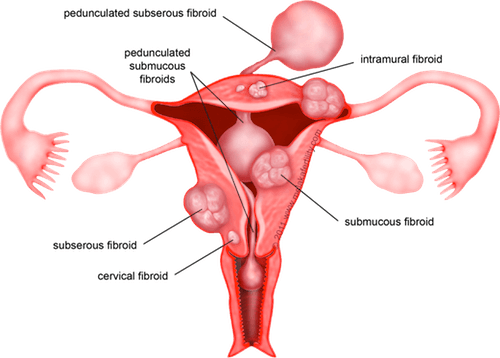
Types of Uterine Fibroids
Fibroids are classified according to their location within the uterus.
Intramural Fibroids
Develop within the muscular wall of the uterus and are the most common type.
Submucosal Fibroids
Grow into the uterine cavity and are more likely to cause heavy bleeding, infertility, and miscarriages.
Subserosal Fibroids
Develop on the outer surface of the uterus and often cause pressure symptoms.
Pedunculated Fibroids
Attach to the uterus by a stalk and may develop either inside or outside the uterus.
Symptoms of Uterine Fibroids
Many women with fibroids have no symptoms. When symptoms occur, they may include:
- Heavy menstrual bleeding
- Prolonged periods
- Passage of blood clots
- Painful periods
- Pelvic pain or pressure
- Abdominal bloating or swelling
- Frequent urination
- Constipation
- Pain during intercourse
- Lower back pain
- Fatigue due to anemia
- Difficulty conceiving
What Causes Fibroids?
The exact cause of fibroids remains unknown, but several factors may contribute:
- Estrogen and progesterone hormones
- Genetic predisposition
- Family history of fibroids
- Reproductive age
- Obesity and lifestyle factors
Fibroids often shrink after menopause when hormone levels decline.
How are Fibroids Diagnosed?
Diagnosis begins with a detailed medical history and physical examination.
Your gynecologist may ask about:
- Menstrual bleeding patterns
- Pelvic pain
- Fertility concerns
- Pressure symptoms affecting the bladder or bowel
During examination, the uterus may feel enlarged or irregular.
Ultrasound and Other Tests for Fibroids
Ultrasound Scan
Ultrasound is the most common and effective test for diagnosing uterine fibroids.
It helps determine:
- Number of fibroids
- Size
- Location
- Effect on surrounding organs
Both transabdominal and transvaginal ultrasound may be used.
Additional Tests
Depending on the situation, your doctor may recommend:
- MRI scan for detailed fibroid mapping
- Blood tests to check for anemia
- Hysteroscopy to evaluate the uterine cavity and submucosal fibroids
Treatment Options for Uterine Fibroids
Treatment depends on:
- Symptoms
- Size and location of fibroids
- Age
- Fertility goals
- Overall health
Women with small fibroids and no symptoms may only require observation and regular follow-up scans.
Medical Treatment for Fibroids
Medical treatment can help control symptoms and improve quality of life.
Options include:
- Iron supplements for anemia
- Pain-relieving medications
- Birth control pills
- Progesterone therapy
- GnRH agonists and antagonists
These treatments may reduce bleeding and temporarily shrink fibroids, although fibroids can regrow after treatment stops.
Surgical Treatment: Myomectomy and Hysterectomy
Myomectomy
Myomectomy is the surgical removal of fibroids while preserving the uterus.
It may be performed using:
- Laparoscopic surgery
- Robotic surgery
- Open surgery
This option is preferred for women who wish to preserve fertility.
Hysterectomy
Hysterectomy involves complete removal of the uterus and provides a permanent cure for fibroids.
It may be performed laparoscopically, robotically, or through open surgery.
Pregnancy is no longer possible after hysterectomy.
Can Fibroids Affect Fertility?
Yes. Certain fibroids, especially submucosal fibroids, can interfere with fertility by:
- Distorting the uterine cavity
- Affecting embryo implantation
- Increasing miscarriage risk
Many women with fibroids successfully conceive after appropriate treatment.
When Should You See a Gynecologist?
Consult your gynecologist if you experience:
- Very heavy periods
- Severe pelvic pain
- Abdominal enlargement
- Difficulty passing urine
- Bleeding between periods
- Infertility concerns
- Recurrent miscarriages
Early diagnosis can prevent complications and improve treatment outcomes.
Frequently Asked Questions (FAQs)
Are fibroids cancerous?
No. Fibroids are benign growths, and cancer arising from fibroids is extremely rare.
Do all fibroids require surgery?
No. Many fibroids can be managed with observation or medication.
Can fibroids cause infertility?
Yes. Depending on their size and location, fibroids can affect fertility and pregnancy outcomes.
What is the best treatment for fibroids?
Treatment depends on symptoms, fibroid size, fertility plans, and overall health.
Can I get pregnant after myomectomy?
Many women successfully conceive after myomectomy and go on to have healthy pregnancies.
If you are experiencing heavy periods, pelvic pain, abdominal swelling, or fertility concerns related to fibroids, schedule a consultation with Dr. Aditi Singhi at Aayush Clinic for expert diagnosis and personalized treatment.