
Understanding Endometriosis: Symptoms, Diagnosis & Treatment | Dr. Aditi Singhi, Aayush Clinic
What is Endometriosis?
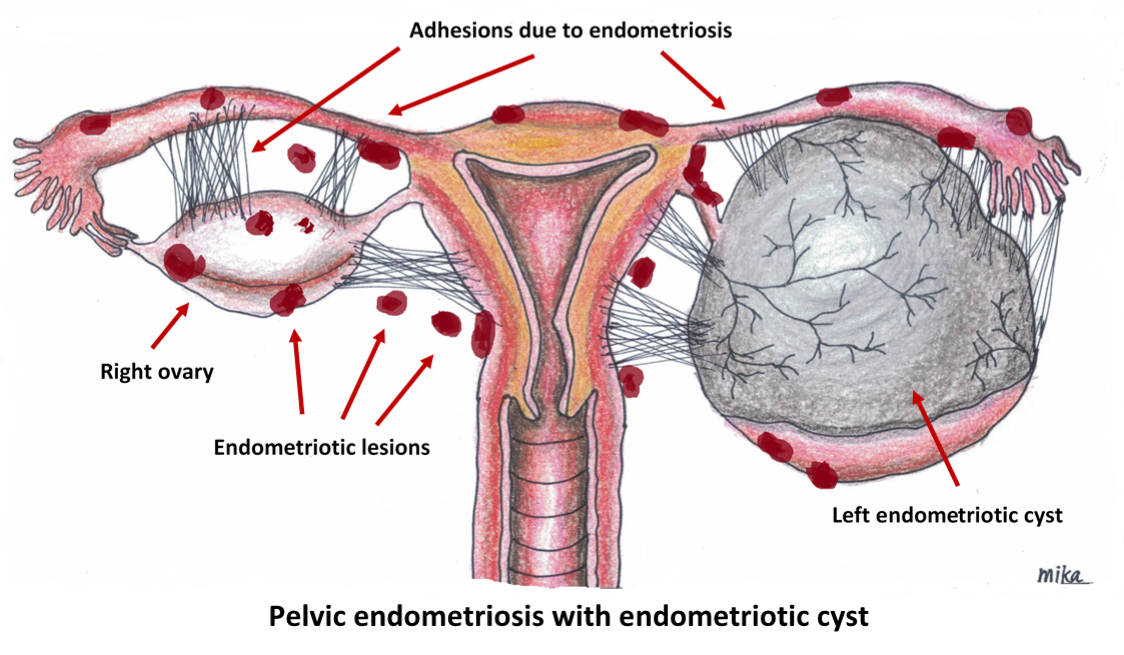
Endometriosis is a common gynecological condition in which tissue similar to the lining of the uterus (endometrium) grows outside the uterus. These abnormal growths may develop on the ovaries, fallopian tubes, bladder, bowel, pelvic lining, and in rare cases, even outside the pelvis.
Like the uterine lining, these tissues respond to monthly hormonal changes and may bleed during menstruation. Since this blood cannot exit the body normally, it can lead to inflammation, swelling, scar tissue formation, adhesions, chronic pelvic pain, and fertility problems.
Endometriosis commonly affects women during their reproductive years and is one of the leading causes of painful periods and infertility.
Common Symptoms of Endometriosis
Symptoms vary from woman to woman. Some experience severe symptoms, while others may have minimal discomfort despite extensive disease.
Common signs and symptoms include:
- Severe menstrual cramps and painful periods
- Chronic pelvic pain
- Pain during sexual intercourse
- Pain while passing urine or stools during periods
- Heavy menstrual bleeding
- Irregular periods
- Bloating and abdominal discomfort
- Fatigue and low energy levels
- Difficulty conceiving (infertility)
If your period pain is affecting your daily activities, work, or quality of life, it is important to seek medical evaluation.
Types of Endometriosis
1. Superficial Endometriosis
Small endometrial deposits found on the pelvic lining.
2. Ovarian Endometrioma (Chocolate Cyst)
Cysts within the ovaries filled with old blood, commonly known as "chocolate cysts."
3. Deep Infiltrating Endometriosis
A more severe form involving deeper tissues and organs such as the bowel, bladder, or pelvic ligaments.
4. Adhesive Disease
Scar tissue formation that causes pelvic organs to stick together, often resulting in chronic pain.
5. Extrapelvic Endometriosis (Rare)
Endometriosis occurring outside the pelvis, including the abdominal wall, diaphragm, lungs, or other organs.
What Causes Endometriosis?
While the exact cause remains unclear, several factors may contribute, including:
- Retrograde menstruation
- Genetic predisposition
- Hormonal imbalances
- Immune system dysfunction
- Environmental influences
Women with a family history of endometriosis may have a higher risk of developing the condition.
How is Endometriosis Diagnosed?
Early diagnosis is essential to prevent complications and improve quality of life.
Your gynecologist may recommend:
- Detailed medical history and symptom assessment
- Pelvic examination
- Pelvic ultrasound scan
- MRI scan in selected cases
- Diagnostic laparoscopy (keyhole surgery)
Gold Standard for Diagnosis
Laparoscopy is considered the most accurate method for confirming endometriosis and assessing the extent of the disease.
Endometriosis Treatment Options
Treatment depends on:
- Severity of symptoms
- Age
- Fertility goals
- Extent and location of disease
Medical Treatment
Non-surgical treatment options may include:
- Pain-relieving medications
- Hormonal tablets
- Progesterone therapy
- Hormonal injections
- Intrauterine hormonal devices (IUD)
These treatments help reduce pain and slow disease progression.
Laparoscopic Surgery for Endometriosis
Minimally invasive laparoscopic surgery may be recommended to:
- Remove endometriosis deposits
- Remove ovarian endometriomas (chocolate cysts)
- Release pelvic adhesions
- Improve fertility outcomes
- Reduce chronic pelvic pain
Laparoscopic surgery offers smaller incisions, faster recovery, and better visualization of endometriosis lesions.
Lifestyle Management for Endometriosis
Along with medical treatment, lifestyle modifications can help improve symptoms:
- Regular physical exercise
- Healthy anti-inflammatory diet
- Stress management techniques
- Adequate sleep
- Pelvic floor physiotherapy in selected cases
A holistic treatment approach often provides the best long-term symptom control.
Can Endometriosis Affect Fertility?
Yes. Endometriosis can affect fertility by:
- Damaging the ovaries
- Blocking fallopian tubes
- Causing pelvic adhesions
- Affecting egg quality and implantation
However, many women with endometriosis successfully conceive naturally or with fertility treatment when managed appropriately.
When Should You See a Gynecologist?
Consult a gynecologist if you experience:
- Severe painful periods
- Persistent pelvic pain
- Pain during intercourse
- Recurrent ovarian cysts
- Difficulty getting pregnant
- Heavy or abnormal menstrual bleeding
Early diagnosis and treatment can significantly improve quality of life and reproductive health.
Expert Endometriosis Care at Aayush Clinic
At Aayush Clinic, Dr. Aditi Singhi provides comprehensive evaluation and personalized treatment for women suffering from endometriosis, chronic pelvic pain, ovarian cysts, and fertility-related concerns.
Treatment plans are tailored to each patient's symptoms, age, future pregnancy plans, and overall health goals.
Frequently Asked Questions (FAQs)
Is endometriosis curable?
Endometriosis is a chronic condition. While there is no permanent cure, symptoms can be effectively managed with medical treatment, surgery, and lifestyle modifications.
Can endometriosis return after treatment?
Yes. Endometriosis has a risk of recurrence, even after successful treatment. Regular follow-up with your gynecologist is important.
Is severe period pain normal?
No. Severe menstrual pain that affects daily life should not be ignored and may indicate endometriosis or another gynecological condition.
Can endometriosis cause infertility?
Yes. Endometriosis is one of the common causes of infertility, but many women can still achieve pregnancy with appropriate treatment.
If you are experiencing severe period pain, pelvic pain, or fertility concerns, schedule a consultation with Dr. Aditi Singhi at Aayush Clinic for expert diagnosis and personalized endometriosis treatment.